
Mushrooms generally have a cap and a stem. Some have the volva, i.e. an envelope that protects them until they reach maturity – as in the case of the ovolo – and the ring, on the upper part of the stem, i.e. the residue of the veil, the membrane that protects the lower part of the hat.
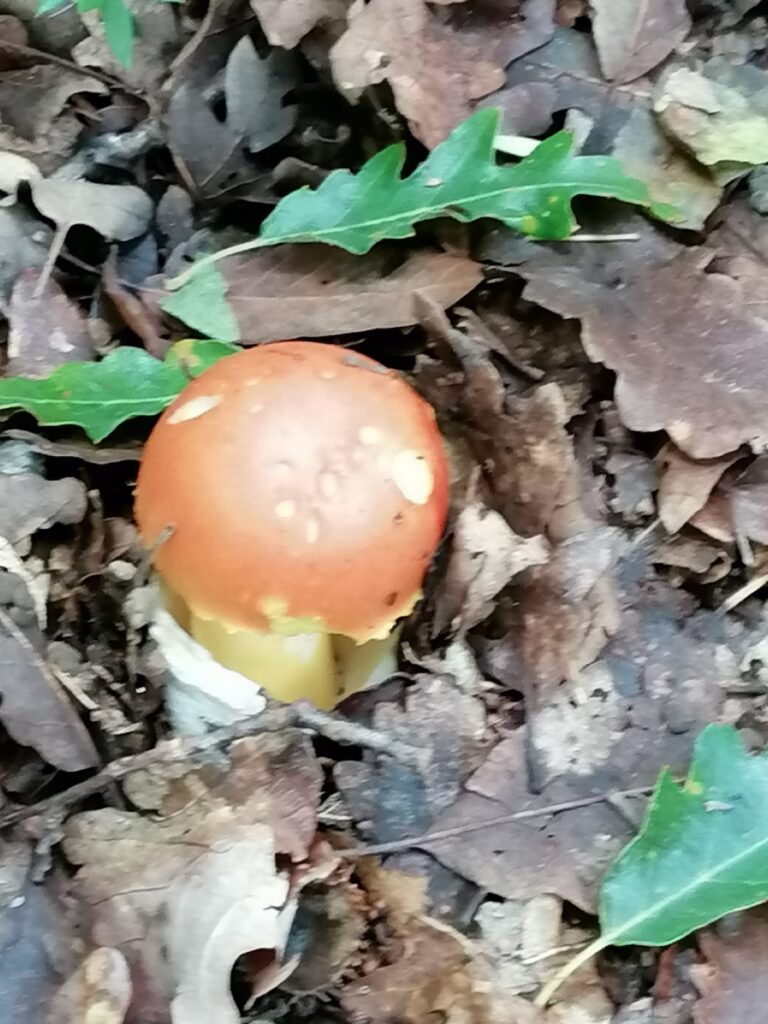
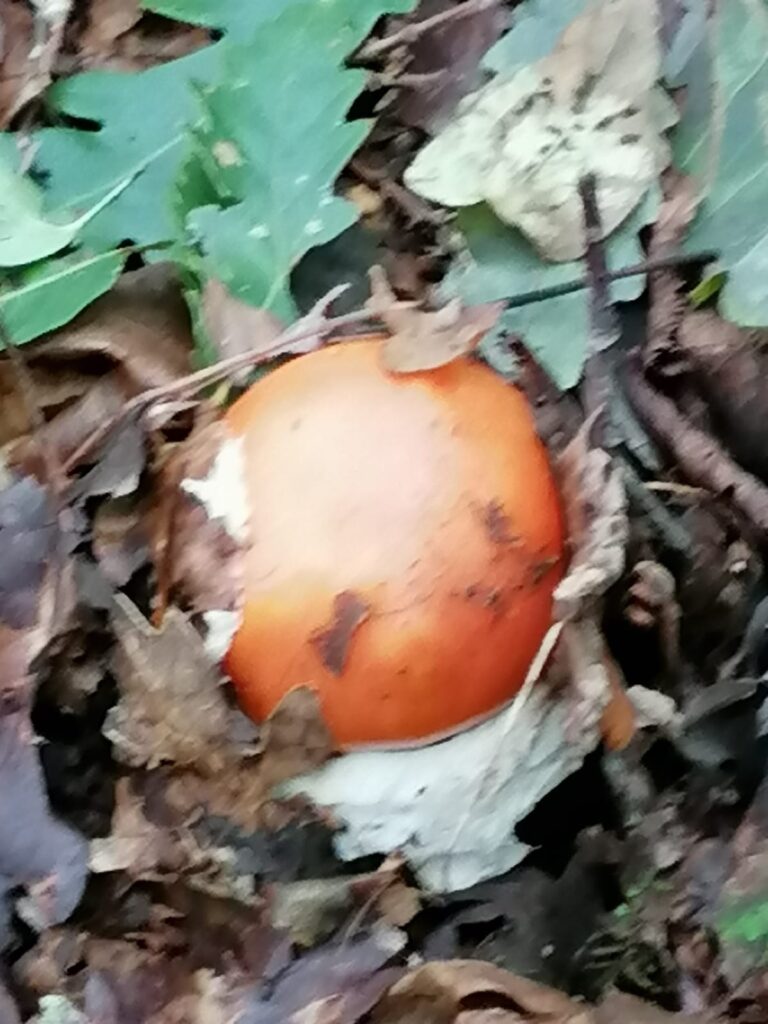
The hat, that is the immediately visible part, can be flat, convex, campanulate, umbonate (that is, with a protuberance in the center), smooth, dry, cracked.
The lower part can be spongy or lamellar, with blades arranged radially from the center.
The lower part of the hat is also the organ of reproduction. Spores are formed inside the lamellae or sponge, which are dispersed into the environment and germinating generate mycelia. The mycelium forms the hidden part of the mushroom and can be considered the mushroom itself. It develops underground over large areas, like a network.
The stem also takes on different shapes, also depending on where it fits into the hat. The stems can be pot-bellied, hollow, claviform, bulbous.
Sometimes the stem and cap are one, like the clavaria – a strange mushroom in the shape of a club -, or like the calvazie
http://gigliocooking.blogspot.com/2018/12/la-frittata-di-puzzole.html
like chanterelles (or cockerels), like trumpets of the dead.
http://gigliocooking.blogspot.com/2013/12/mushrooms-like-flowers.html
Each mushroom has its own season: in February-March, we find “sleeping mushrooms” in the mountains – so called because they develop almost completely underground and you need to have your eyes trained to understand where they “sleep”
http://gigliocooking.blogspot.com/2014/03/the-sleepy-prince-in-wood.html
http://gigliocooking.blogspot.com/2016/04/il-fungo-dormiente.html
In the same period there is an underground mushroom, the Bianchetto or Tartufo Marzuolo; the blackthorns arrive in April; at the end of May, if it has rained in the meantime, you can find porcini in their many varieties.
In summer comes another truffle: the scorzone:
http://gigliocooking.blogspot.com/2013/11/tartufi-tartufai.html
Autumn is the main season for mushrooms: porcini – holm oak, fir, red porcino, black porcino -, pineroli, finferle, trumpets of dead, chanterels (chanterel) or cockerels, russole, grasselli. In the wetter areas, along the streams, on the poplar trunks, there are the poplar musheooms (pioppini):
http://gigliocooking.blogspot.com/2013/10/ce-qualcuno.html
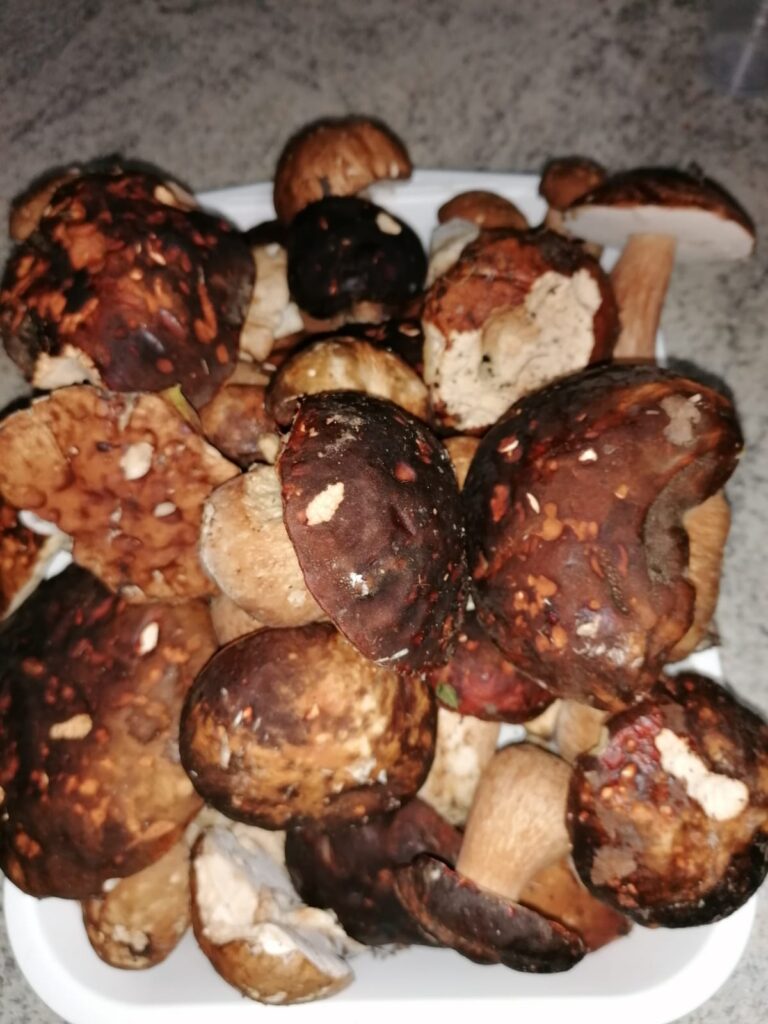
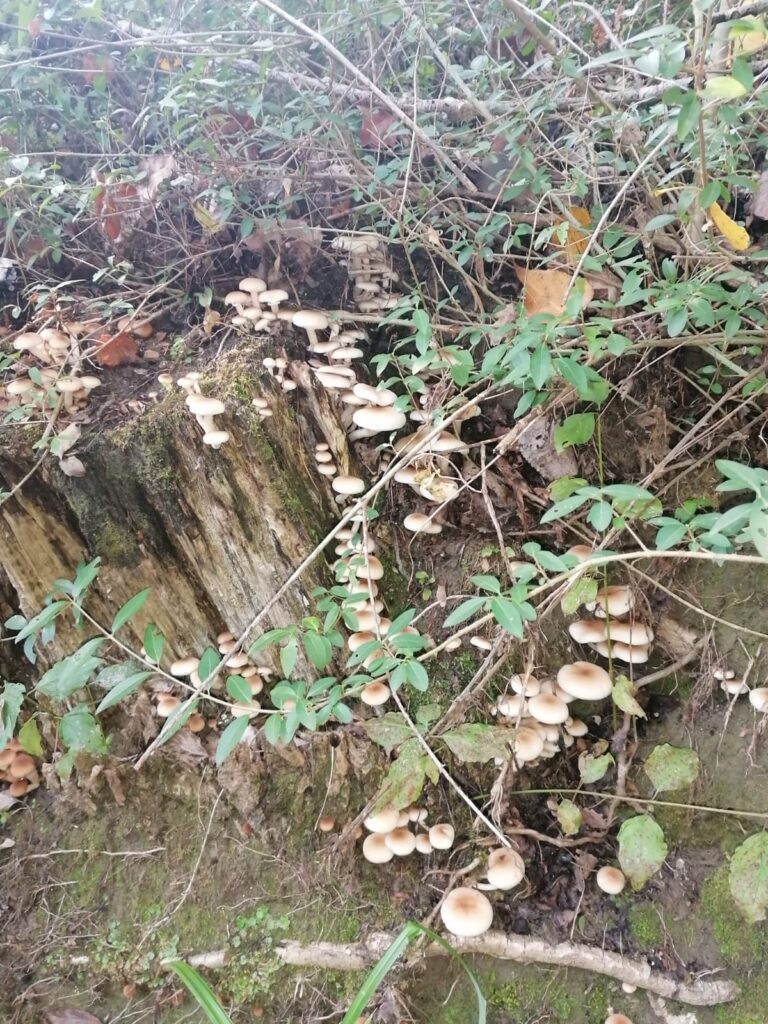
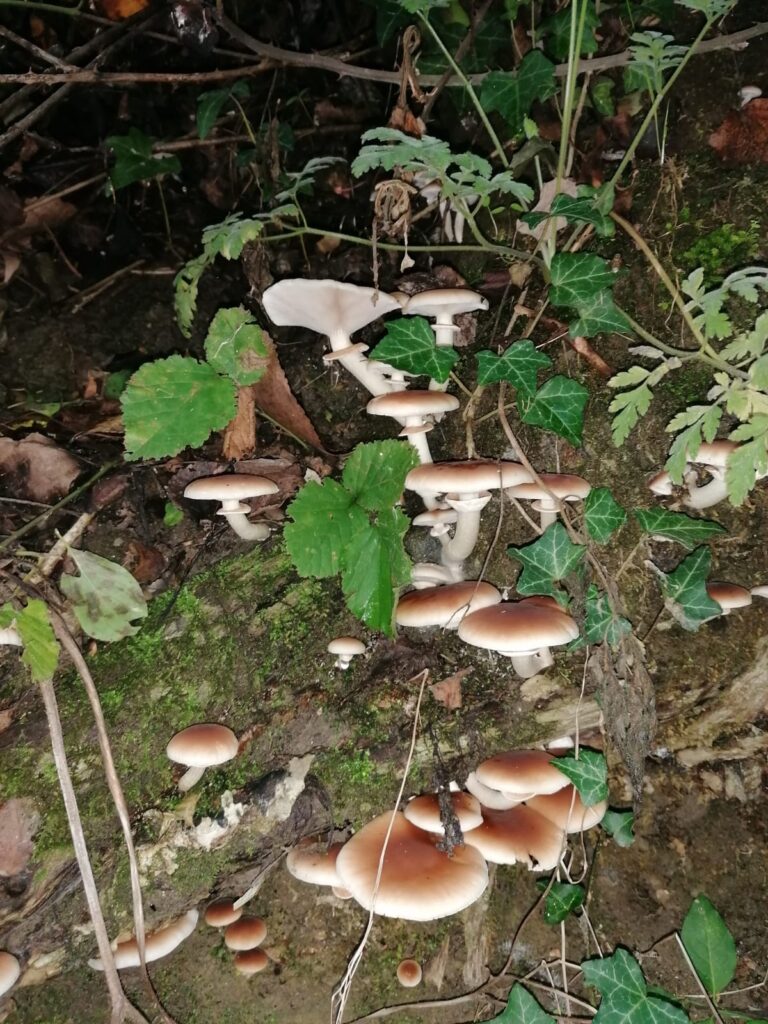
Then come the “Ordinali” mushrooms, especially the gray ones, while the whites are widely collected and consumed after cooking. However, we must be very careful.
There are actually few mushrooms that can be eaten raw .
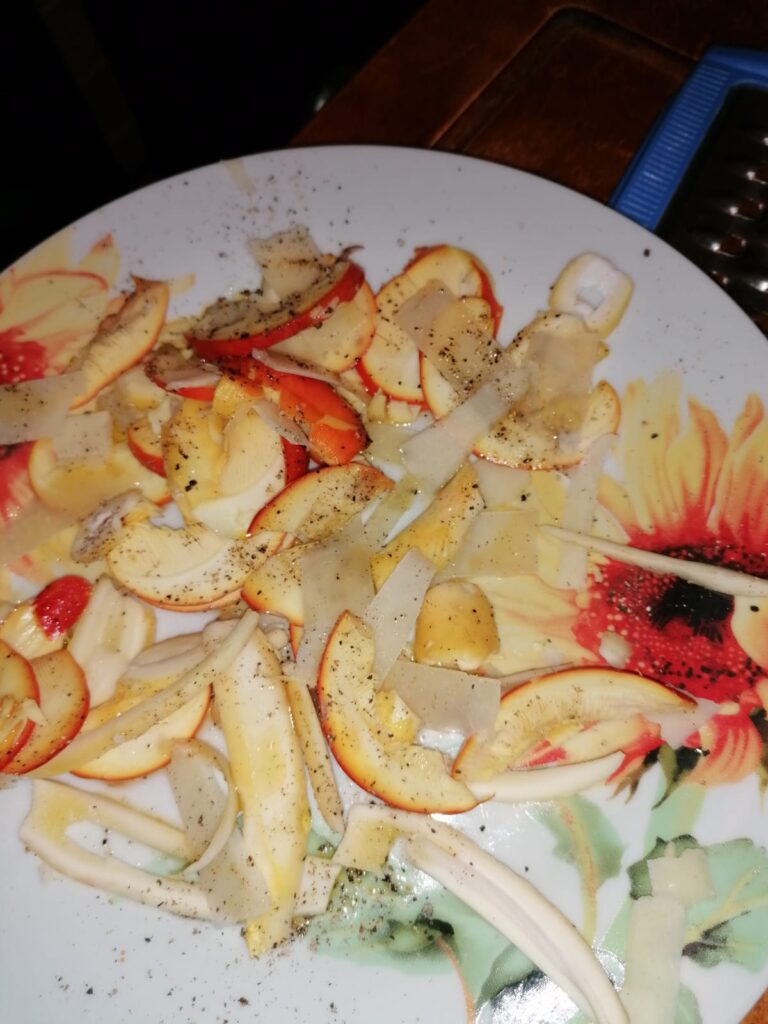
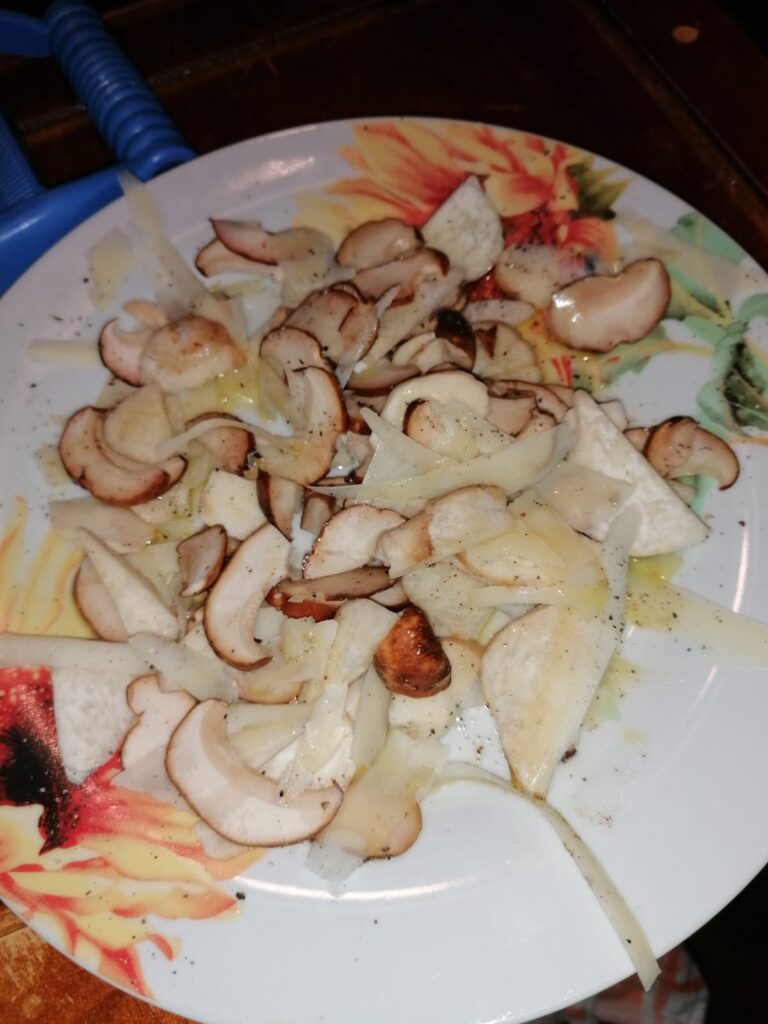
What is certain is that mushrooms take many forms.
http://gigliocooking.blogspot.com/2012/10/indovina-indovinello.html
and they can be so beautiful as to be deceiving.
Marcella Ansaldo